ROCKPEAK / EQUIPMENT SELECTION
Choose the right crusher for your material.
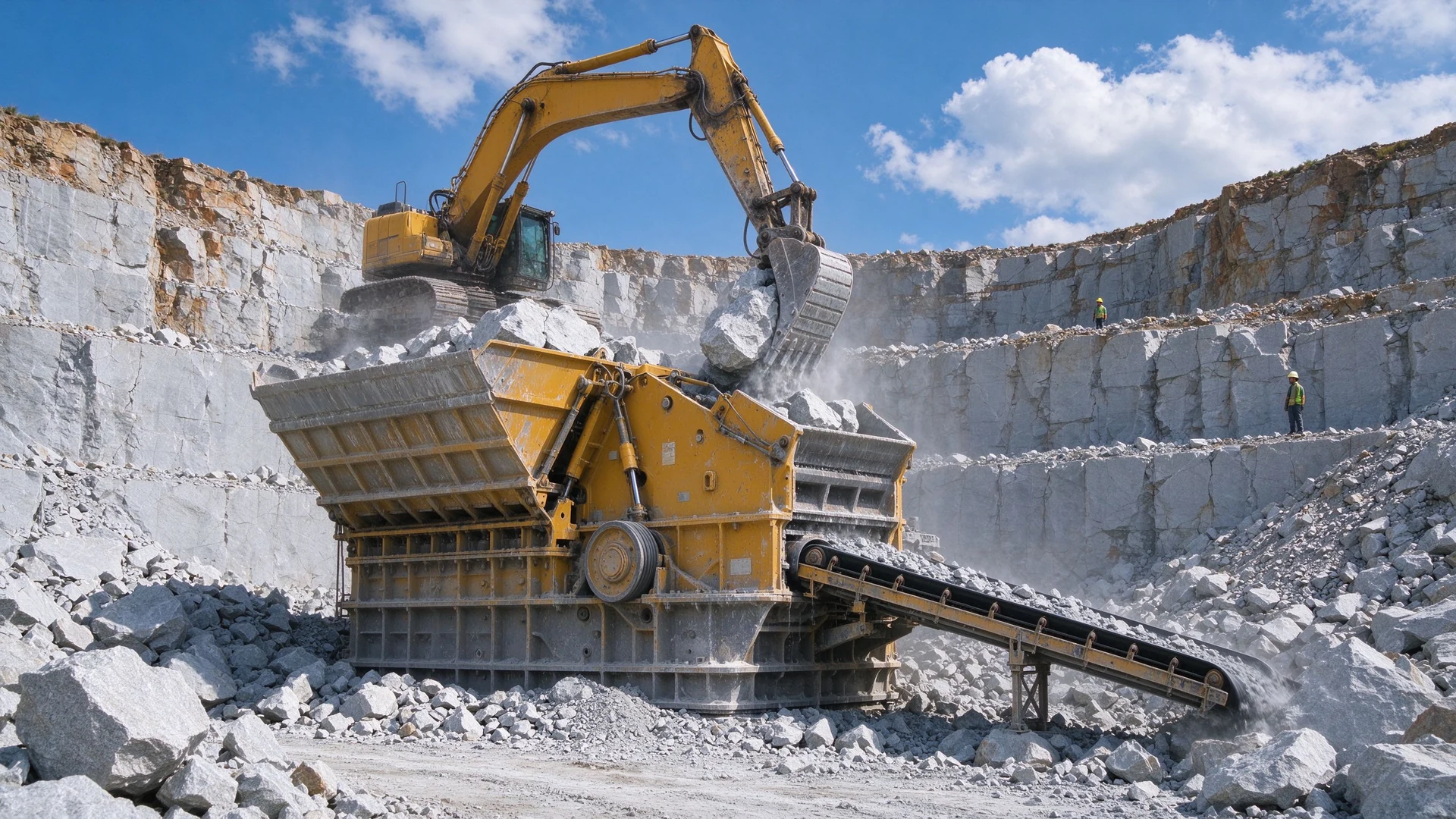
Crushing and screening equipment for quarries, mines and aggregate producers. Compare the application, feed size and capacity before discussing your configuration.
EQUIPMENT RANGE
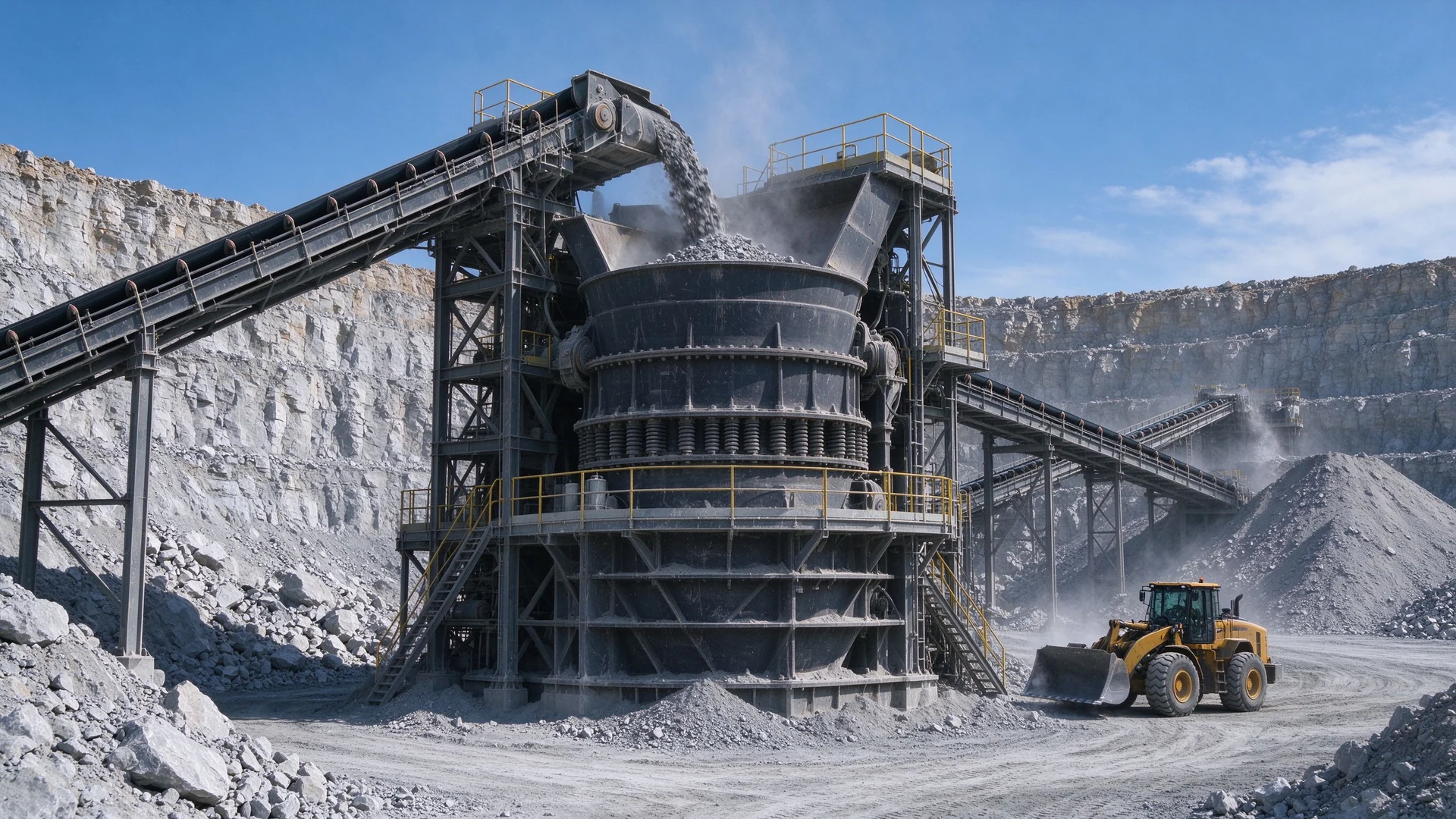
Three documented crusher models, with consistent information to help you compare the first options.
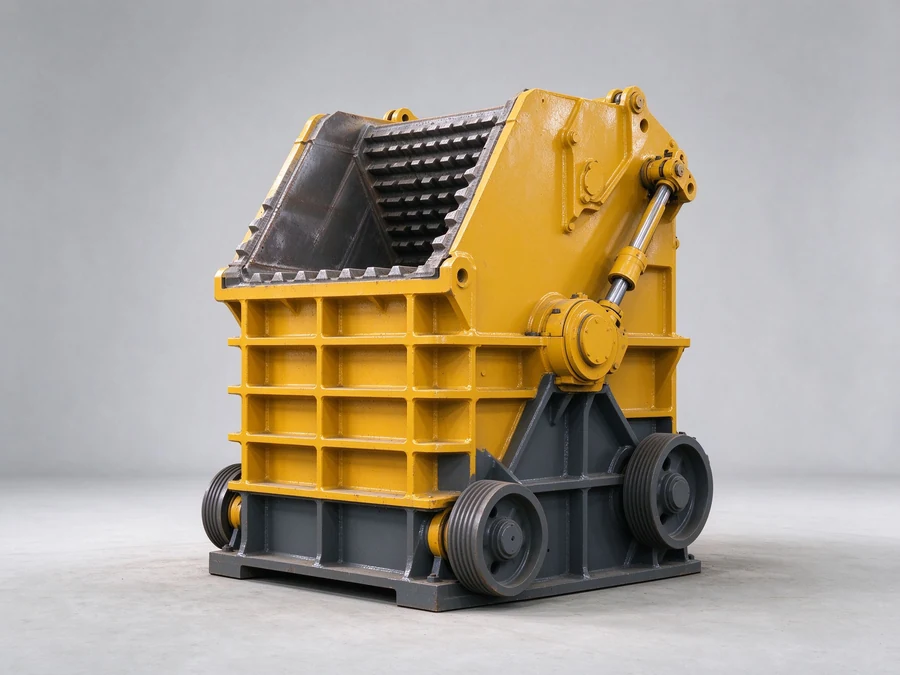
RP-JC-1200
Primary crushing for hard rock and ore
The RP-JC-1200 is a primary crushing option. Confirm the feed properties and match its discharge setting to the next stage.
Maximum feed and discharge settings must be checked against the complete circuit.
Full product page follows homepage approval.
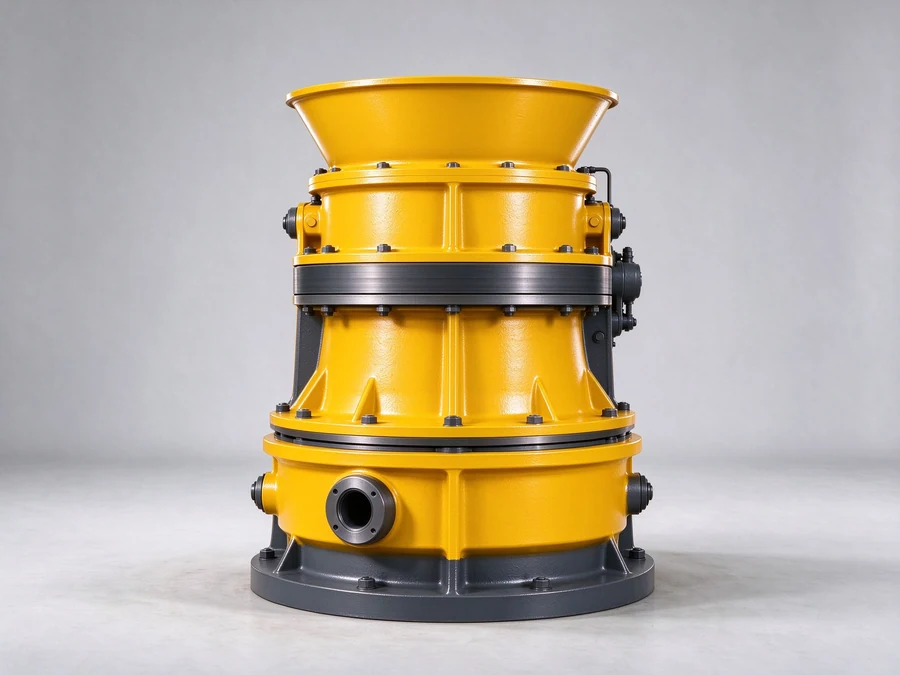
RP-CC-300
Secondary and tertiary crushing for medium-hard and hard rock
The RP-CC-300 serves secondary and tertiary duties. Evaluate the chamber configuration, feed grading and circulating load.
Review wear conditions, feed distribution and screening before confirming throughput.
Full product page follows homepage approval.
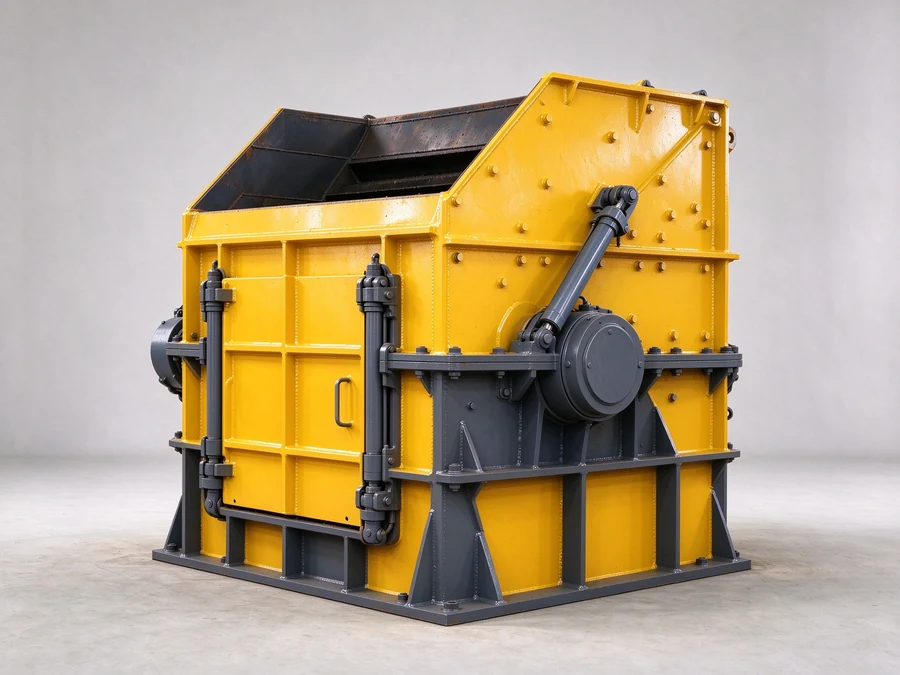
RP-IC-1315
Secondary crushing for medium-hard materials and recycling
The RP-IC-1315 serves limestone processing, aggregate production and sorted construction waste recycling.
Highly abrasive feed may increase blow-bar consumption. Remove contaminants before feeding.
Full product page follows homepage approval.
Source: client product sheets and specification table. Capacities depend on material, feed, settings and the screening circuit; they are not guaranteed site outputs. Image-to-model correspondence awaits confirmation.
Source specifications: 100–200 t/h; maximum feed 500 mm; approximately 220 kW. Configuration affects final values. A full model detail sheet is still required before a standalone product page.
Discuss the mobile plantROCKPEAK AT A GLANCE
A company introduction grounded in the available source material.
RockPeak Mining Machinery Co., Ltd. supplies crushing and screening equipment for quarrying, mining and aggregate applications. The documented range includes jaw, cone and impact crushers, plus a mobile crushing plant.
Start with the machine and its operating conditions. Confirm the complete supply scope in the technical and commercial proposal.
Explore technical support ↓SELECTION CHECKPOINTS
A short model comparison is a starting point. The operating conditions determine what to investigate next.
01 / MATERIAL
Document maximum feed, hardness, abrasiveness, moisture and clay content. Variable feed may need pre-screening and controlled feeding.
02 / CIRCUIT
Match primary discharge to downstream feed limits. Include conveyors, screens and recirculating material when comparing capacity.
03 / MAINTENANCE
Check foundations, lifting and service space. Consider jaw plates, liners or blow bars alongside the initial equipment comparison.
APPLICATIONS
Use the application to frame the equipment discussion, rather than treating one capacity range as a complete solution.
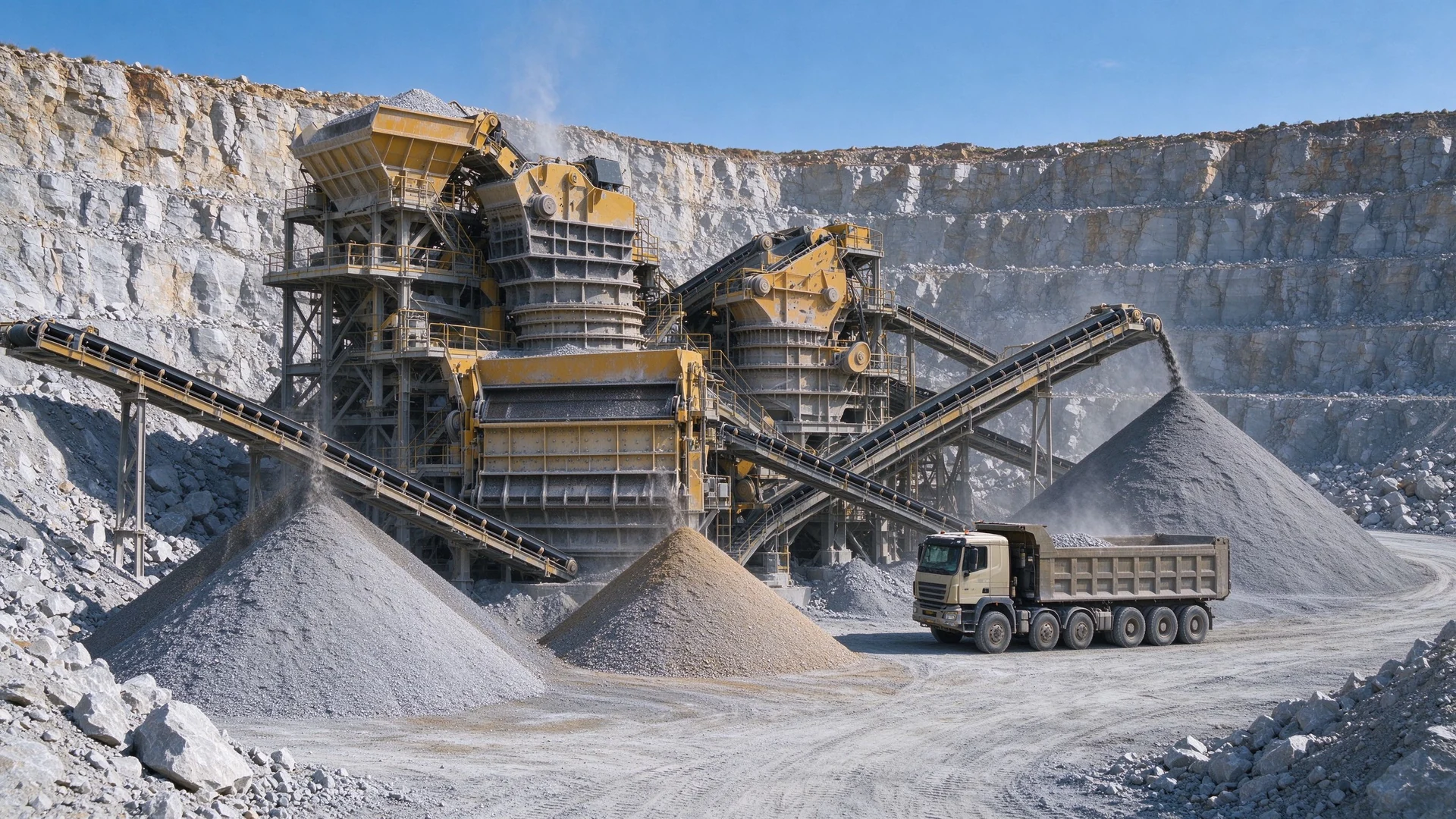
Define the feed grading and required finished sizes. Match the primary and subsequent crushing stages to the screening circuit.
Explore jaw crushing →Compare jaw and cone configurations for primary, secondary and tertiary duties. Hardness and abrasiveness need separate review.
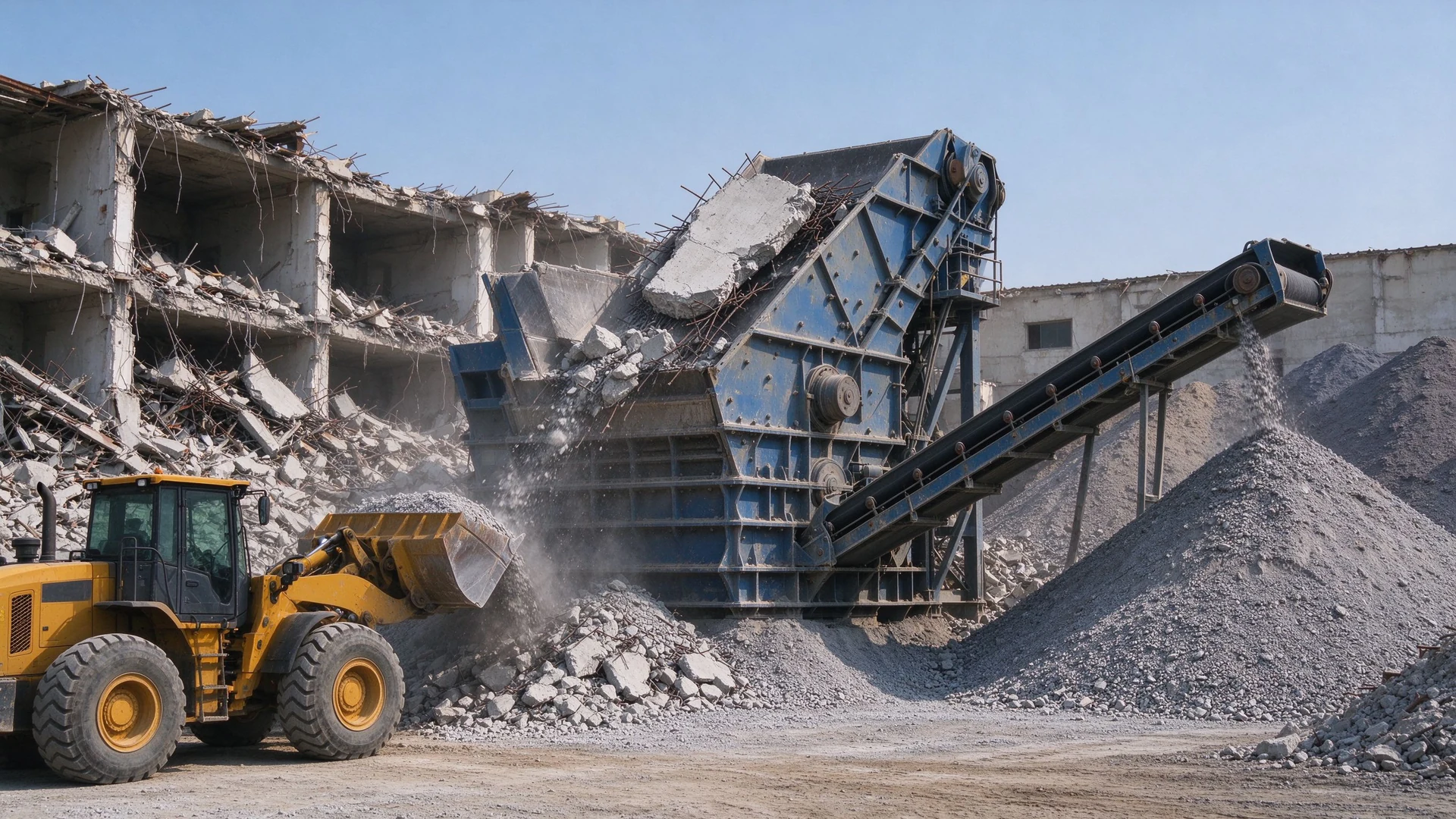
Explore cone crushing →Sort the incoming material and remove metal, timber and other contaminants. Check suitability before selecting impact crushing.
Explore impact crushing →Scenes illustrate the supplied application material; they do not establish a named customer project or measured result.
TECHNICAL SUPPORT
Prepare a clear technical brief before discussing equipment scope, installation and delivery.
Material, feed size, target throughput, final sizes and location provide the first comparison basis.
Discuss your configurationCompare the model, feeding and screening requirements. Confirm equipment interfaces and the agreed supply scope.
Product materials state that installation drawings, operating manuals and remote technical guidance are available. Confirm the supplied documents for your order.
Installation supervision and operator training are arranged by project agreement. Availability, cost and scope require confirmation; no fixed response time is stated here.
GUIDES & UPDATES
Source-based reading and product updates. Event claims remain subject to verification.
SELECTION GUIDE ·
Start with feed composition, effective output, downstream limits and maintenance access.
Record material type, maximum block size, hardness and abrasiveness. Compare the actual operating time and finished-product target, then check discharge settings against the downstream equipment. Feed stability, foundations, transport and lifting access also affect the decision.
PRODUCT UPDATE ·
The supplied launch document introduces the RP-MC-100 with configuration choices for on-site processing.
Launch details, media and publication approval pending.
Review available model information →COMPANY UPDATE ·
A company-event article is included in the source package.
Participation, source date and event photographs require verification. No participation claim is treated as confirmed.
Ask about company updates →EVIDENCE / PENDING CONFIRMATION
This review draft reserves the agreed evidence section without presenting unverified certificates, customers or performance results.
Certificate originals, scope, validity and public-use approval are still needed. No certification badges are displayed.
The three supplied case documents require customer, image and result authorization before publication.
Dimension drawings, installation interfaces and measured performance curves have not been supplied.
START WITH YOUR MATERIAL
A focused brief helps compare the next technical questions. Fields marked * are required.
This is a form preview. Delivery is not connected and no submission is sent.
Source-supplied email:
Ownership and reachability still need confirmation.
APPLICATION INQUIRY
Preview only. Delivery is not connected. Please do not enter sensitive information.
Open the standalone form